



 Grid
Grid List
List





Rainwater Harvesting FAQs
What can I use rainwater for?
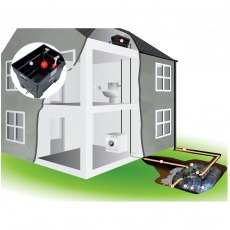
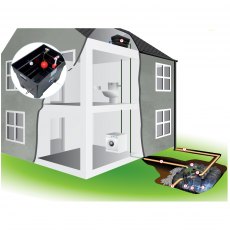
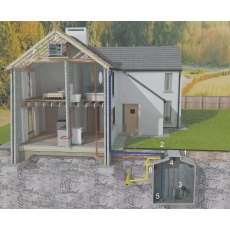
Rainwater can be used for all outdoor uses; watering the garden, washing cars, cleaning down patios, driveways, walls etc, and ornamental ponds. It can also be used inside the house to flush toilets and feed washing machines. Rainwater use means less build-up of calcium deposits in appliances.
Rainwater is not suitable for drinking or for use in showers and baths. Rainwater is generally free of harmful minerals and in most cases chemicals but can be adversely effected by air pollutants and/0r contamination by animals in the catchment area. The only way rainwater can be used for drinking water is if it is treated by ultra-violet filters which are not practical in domestic use as generally a rainwater tank will not store enough water for total consumption in a domestic situation.
Can harvesting rainwater save you money?
Rainwater harvesting can lead to savings on energy bills as when you use rainwater, you reduce the demand on your water heater, as you won't need to heat the tap water for these non-potable uses. This can result in lower electricity or gas bills, especially if you have a water heating system that operates continuously. Rainwater harvesting can also contribute to reduced maintenance costs. By diverting rainwater away from your home's foundation, you can prevent potential water-related damage, such as flooding or structural issues so you'll save money on repairs and maintenance that might be required due to water damage.
Having a well-designed and functional rainwater collection system can make your home more appealing to eco-conscious buyers, potentially increasing its value. It's an environmentally friendly feature that can set your property apart from others in the real estate market. By using rainwater instead of tap water for non-potable purposes, you reduce the overall demand on your local water supply, which is not only a cost-saving measure but also a socially responsible choice that conserves water resources and helps protect the environment.
Are there any disadvantages to collecting rainwater?
While rainwater harvesting offers numerous benefits, it's essential to consider the potential disadvantages. Installing rain barrels, storage tanks, gutters, and filters can require a significant upfront investment. Additionally, the maintenance of these systems, including cleaning filters and ensuring proper functioning, can be time-consuming and may involve ongoing expenses. During dry spells, there might not be enough rainwater to meet your needs, which can be a concern if you rely on it for gardening or other non-potable uses. In such cases, you may still need to use tap water, resulting in reduced cost savings. The quality of collected rainwater can be affected by various factors, such as the cleanliness of your roof and gutters. Dust, bird droppings, or pollutants from the environment can contaminate the water and, if not properly filtered and treated, this can limit the usability of the collected rainwater. To ensure safe and clean rainwater, you might need to invest in additional filtration or purification systems. In some regions, there may be regulations or restrictions on rainwater harvesting. You may need to check with local authorities to ensure that you comply with any relevant laws. The space required for rainwater storage tanks or barrels can also be a disadvantage, especially if you have limited outdoor space, while the aesthetics of rain storage tanks might not align with your landscaping preferences.
Is collecting rainwater legal in Ireland?
Collecting rainwater in Ireland is generally legal, and it is encouraged for certain uses, such as gardening, flushing toilets, and washing vehicles. However, there are some regulations and guidelines to keep in mind. In most cases, you can collect rainwater from your roof without obtaining any special permits or permissions. This practice is known as rainwater harvesting, and it is seen as an eco-friendly way to conserve water resources and reduce your environmental impact.
While it is legal to collect rainwater for personal use, you should be aware of a few key points. First, the rainwater you collect should be used for non-potable purposes, such as irrigation and cleaning. It's not intended for drinking or cooking. Second, if you plan to install a large rainwater harvesting system that may significantly impact local water drainage patterns, you might need to consult with local authorities, such as the Environment Protection Agency in Ireland, to ensure your system doesn't cause flooding or other environmental issues. Finally, if you live in a listed building or a conservation area, there may be additional restrictions, so it's advisable to check with your local planning authority. Always ensure you are complying with the specific rules in your area to enjoy the benefits of rainwater harvesting while respecting local regulations.
What size rainwater harvesting tanks do I need?
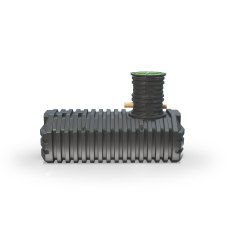
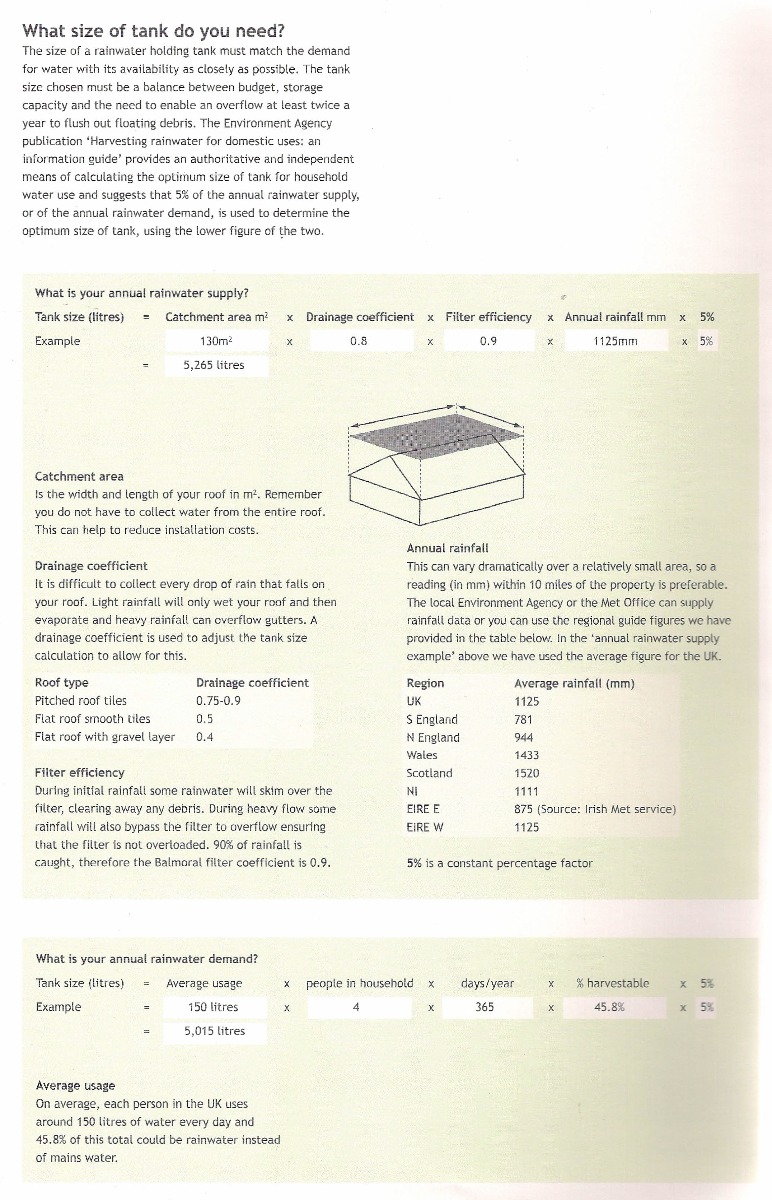
The size of a rainwater holding tank must match the demand for water with it’s availability as closely as possible.
BS 8515:2009 provides an authoritative and industry-approved means of calculating the optimum size of tank for household water use.
Unlike other industries it is better to reduce the size of the tank rather than over size it if in doubt as to the requirement. This is due to the benefit of allowing the tank to overflow at least twice a year to flush out floating debris. The tank chosen must therefore be a balance between rainwater supply and water demand.
In order to correctly size the tank, the capacity should be the lesser of either the rainwater supply or the water demand. A worked example demonstrating this principle is shown below:-
Are rainwater tanks worth it?
There are many reasons why using a water butt is a good idea. By collecting rainwater a water butt, you are using a free natural resource. This puts less pressure on an already under pressure water system and reduces the demand put on the public water system. By collecting rainwater, less water goes down the storm drains and eliviates pressur on the public drainage system and help to prevent flooding. An added bonus to using rainwater for watering your plants is that the plants love natural rainwater with no chemicals added.